Sneaker Violence History: Why Campout Riots Pushed Drops Online

The history of Sneaker Violence shows what happens when collector enthusiasm turns into fights outside retail stores. From the February 2005 SB Dunk Pigeon riot (150 pairs) to the 2019 Arizona x Adidas pop-up ($0.99 retail), campouts forced police shutdowns. Those 2005-2019 incidents convinced brands to move high-demand drops onto randomized digital ballots. Below is the complete timeline and analysis.
- 2005 NYC Pigeon Riot: Only 150 pairs of the Jeff Staple Nike SB Dunk Low released in February 2005, triggering NYPD crowd intervention on Reed Street.
- 2011-2012 Mall Stampedes: The December 2011 Air Jordan 11 Concord ($500 early resale) and February 2012 Galaxy Foamposite (1,200 pairs) caused nationwide mall shutdowns.
- 2017-2019 Pop-Up Chaos: Included the 2017 Yeezy 350 V2 Zebra dispute (80 pairs), the 2019 $0.99 Arizona x Adidas shutdown, and the December 16, 2019 Supreme Osaka robbery.
- Shift to Digital Ballots: Brands replaced overnight first-come, first-served (FCFS) lines with 10-minute Nike SNKRS Draws and authenticated online marketplaces.
How Did the 2011 Jordan 11 Concord and 2012 Galaxy Foamposite Spark Mall Riots?
Two back-to-back releases in 2011 and 2012 exposed the dangers of first-come, first-served mall queues. On December 23, 2011, the Air Jordan 11 Retro “Concord” (378037-107) launched at $180 retail two days before Christmas. Shoppers tore down mall entrance doors in Indiana and Washington. Within hours, early pairs of the 2011 Jordan 11 Concord on StockX resold for up to $500.
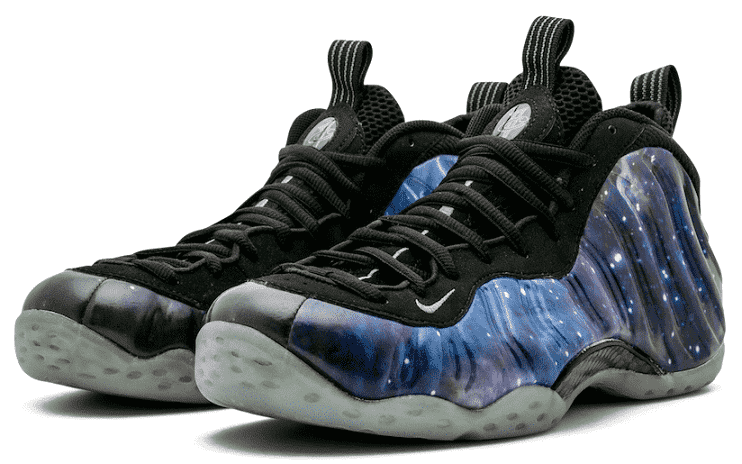
Two months later in February 2012, Nike released the Nike Air Foamposite One NRG Galaxy on GOAT (521286-800) at $220 retail. Only 1,200 pairs were produced globally. Thousands gathered outside the Florida Mall in Orlando and Castleton Square in Indianapolis.
Mounted officers and police in riot gear intervened after line-cutting triggered stampedes. Those two drops ended unannounced overnight mall campouts nationwide.
Why Did the 2019 Adidas Arizona Pop-Up and 2017 Yeezy Drop Turn Chaotic?
Promotional street pop-ups and regional allocations continued to spark crowd emergencies between 2017 and 2019. In July 2019, Adidas and Arizona Iced Tea hosted a New York City pop-up on the Bowery. The storefront offered collaborative Continental 80 and Yung-1 pairs for $0.99 retail, matching the 99-cent beverage can.
Hundreds of teenagers camped overnight on the sidewalk without barriers. After fights broke out and two attendees were assaulted, NYPD officers shut down the $0.99 retail pop-up before doors opened.
Earlier in 2017, a release of the Adidas Yeezy Boost 350 V2 “Zebra” (CP9654, $220 retail) turned physical in China. A group used software exploits to claim over 80 pairs of the store allocation. Waiting passionate sneakerheads confronted them outside the shop while leaving the scattered boxes untouched.
Why Was the 2005 Jeff Staple Nike SB Dunk Pigeon a Turning Point?
Modern sneaker campout notoriety began on February 22, 2005, on Manhattan’s Lower East Side. Designer Jeff Staple launched the Nike Dunk Low Pro SB NYC Pigeon on GOAT (304292-011) at Reed Space for $200 retail. Only 150 pairs were produced worldwide, with roughly 20 pairs allocated to Reed Space.
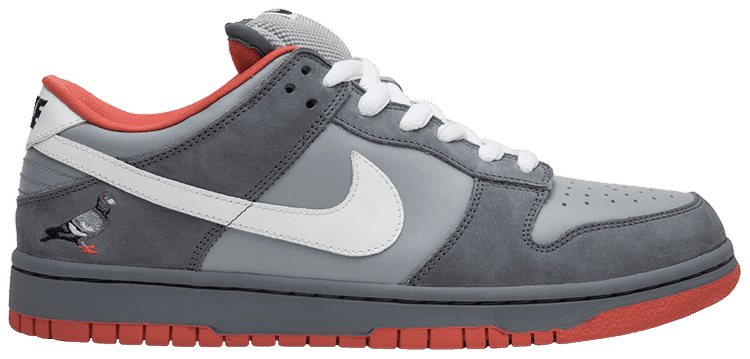
When NYPD officers confiscated machetes and baseball bats outside Reed Space during the 150-pair February 2005 Pigeon Dunk release, front-page newspaper coverage changed sneaker drops forever.
Word spread across early sneaker forums, drawing dozens of campers into freezing February weather. Police officers arrived to contain the crowd. They confiscated baseball bats and blades from opportunists waiting down the block. Buyers had to exit through a back door into waiting taxis to get home safely.
How Do the Major 2005 to 2019 Campout Incidents Compare?
Every major physical release disturbance between 2005 and 2019 shared the same root cause. Extreme supply scarcity collided with wide secondary price spreads outside store doors. When a $180 or $220 retail sneaker commands $500 to $2,000+ resale immediately, unmonitored street queues attract aggressive line-cutters.
For the 2005 NYC Pigeon SB Dunk, that 150-pair production run eventually drove deadstock valuations past $25,000 to $40,000+ per GOAT records. Similarly, the 1,200-pair 2012 Galaxy Foamposite rose from $220 retail to $1,500+ resale within days of All-Star Weekend.
Municipal police departments began billing malls and boutiques for overtime crowd security after 2012. In response, shopping centers banned overnight sidewalk camping across major US metropolitan areas. The table below compares the dates, allocations, retail tags, and resale valuations of those campout incidents.
| Release & Incident | Release Date | Allocation / Retail | Aftermarket Valuation |
|---|---|---|---|
| Nike SB Dunk Low NYC Pigeon | February 22, 2005 | 150 pairs / $200 retail | $25,000+ collector ask |
| Air Jordan 11 Retro Concord | December 23, 2011 | Wide Holiday / $180 retail | $500 launch resale avg |
| Nike Air Foamposite Galaxy | February 24, 2012 | 1,200 pairs / $220 retail | $1,500+ secondary ask |
| Arizona Tea x Adidas Pop-Up | July-August 2019 | NYC Pop-Up / $0.99 promo | $150 to $350 resale avg |
How Did the 2019 Supreme Osaka Heist and Resale Spreads Fuel Security Changes?
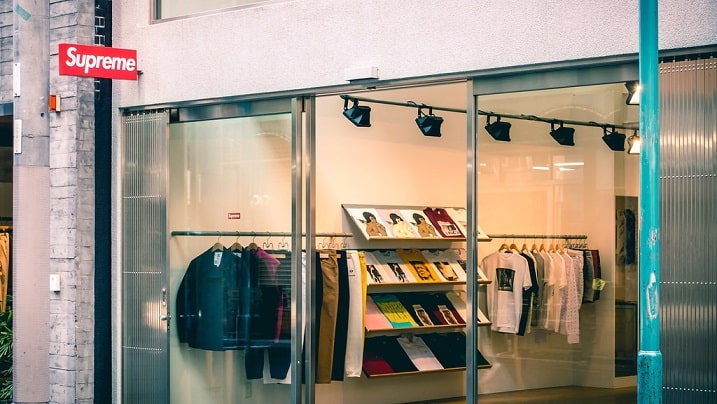
High resale spreads also made physical streetwear flagship stores targets for organized theft. During the Fall/Winter 2019 Supreme Box Logo release week, thieves broke into Supreme Osaka on December 16, 2019. Millions of yen in Supreme Box Logo hoodies and tees were stolen before opening.
Modern buyers and sellers route trades through escrowed authentication platforms rather than street cash meetups. According to the official StockX seller fee schedule, Level 1 sellers pay a 9% transaction fee. Adding the 3% payment processing fee brings total deductions to 12% for anonymous verification.
Meanwhile, per the eBay sneaker selling fee policy, sneakers priced at $150 or more carry an 8% fee. Both platforms inspect physical pairs before releasing seller payouts. The table below compares net seller payouts on a $500 sale.
| Resale Channel | Gross Sale Price | Platform Fee Deduction | Net Payout & Security Model |
|---|---|---|---|
| eBay Authenticity Guarantee | $500.00 | $40.00 (8.0% fee) | $460.00 (Escrow + Auth Hub) |
| StockX (Level 1 Seller) | $500.00 | $60.00 (9% + 3% fee) | $440.00 (Anonymous Auth Hub) |
| StockX (Level 4 Seller) | $500.00 | $50.00 (7% + 3% fee) | $450.00 (Anonymous Auth Hub) |
| In-Person Cash Meetup | $500.00 | $0.00 platform fee | $500.00 (Police Safe-Zone Recommended) |
How Did SNKRS Draws and Online Automation Replace Physical Campouts?
Nike and partner boutiques moved limited releases to mobile ballots and online checkouts after 2012. According to the official Nike SNKRS Draw documentation, shoppers enter a 10-minute randomized window from home. Automated email notifications confirm winning orders minutes after the countdown ends.
Inventory shifted to digital queues on Shopify, Footsites, and SNKRS over the next decade. Collectors turned to automated sneaker checkout software rather than camping on winter sidewalks. Established multi-site platforms include Valor AIO, Cybersole, Stellar AIO, and NikeShoeBot.
Running online checkout tasks with residential proxies lets collectors compete for 10:00 AM EST drops safely from a desktop. Digital queues and in-app store reservations have largely retired overnight street campouts. Direct-to-door courier delivery also keeps buyers out of crowded mall parking lots on release morning.
Why did Nike cancel midnight in-store releases after 2012?
Following the December 2011 Air Jordan 11 Concord mall stampedes and the February 2012 Galaxy Foamposite disturbances, Nike replaced midnight first-come, first-served lines with digital reservations and morning raffles to protect shopper safety.
Where should local buyers meet when completing an in-person sneaker trade?
Local traders should always meet inside designated police department e-commerce exchange zones or established consignment shops with security cameras rather than unmonitored parking lots.